



Price: $9,998.00
(as of 2026-10-21 01:30 GMT+0000 – Details)

QD‑Mini LED and Halo Control System
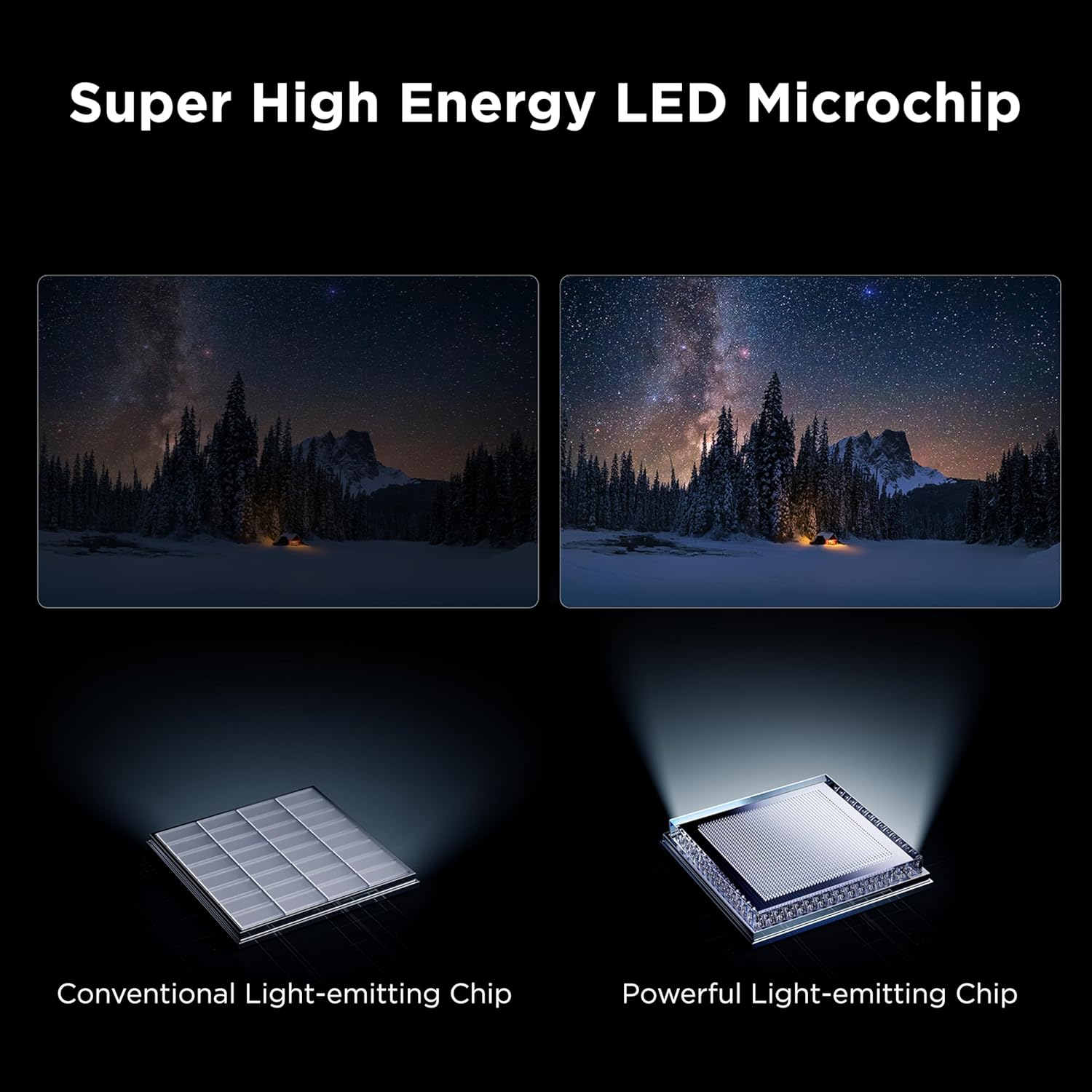
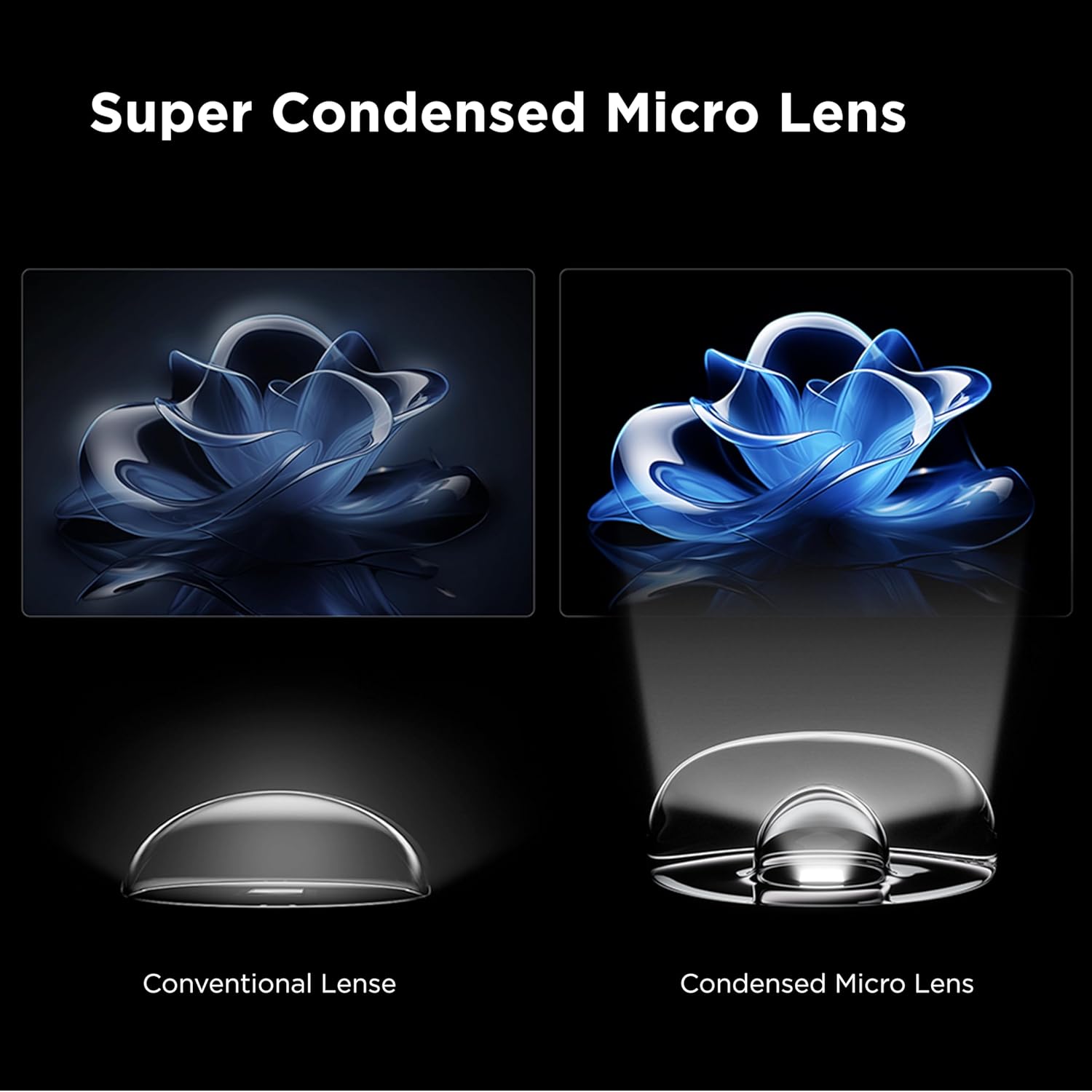
The QD‑Mini LED backlight replaces a conventional LED array with a dense matrix of microscopic chips that approach pixel‑level illumination. TCL’s Halo Control System bundles several technologies — a Super High Energy LED microchip, a Super Condensed Micro Lens, reduced optical distance (Micro‑OD), a high‑contrast HVA panel, enhanced quantum‑dot layer, zero‑delay transient response, a bi‑directional 23‑bit backlight controller, and a dynamic light algorithm — to suppress the halo artifacts that typically appear around bright objects on dark backgrounds. In practice this means brighter highlights can coexist with deeper blacks without the glowing rings that plague many edge‑lit designs, though the effectiveness still depends on the number of local dimming zones and the content’s contrast range.
LD2500 Precise Dimming and HDR Brightness
The LD2500 Precise Dimming Series provides up to 2,500 independently controlled zones across the 115‑inch panel. Each zone can be dimmed or brightened individually, allowing the TV to render near‑pure black levels while preserving detail in bright areas. The specification cites a peak HDR brightness of 3,000 nits (2,000 nits on the 50‑inch model), which ensures that specular highlights in HDR10, Dolby Vision, or HLG content remain visible even in well‑lit rooms. The trade‑off is that a finite zone count can still produce faint blooming around very small bright objects, and the high peak output may increase power draw and heat generation compared with lower‑brightness panels.
CrystGlow HVA Panel and Reflection Management
The CrystGlow HVA (High‑Voltage‑Aligned) panel incorporates a surface treatment designed to block ambient reflections, keeping image details crisp when the TV is placed opposite windows or bright lighting. HVA technology also contributes to the high native contrast ratio by aligning liquid crystals more tightly in the off state. For viewers, this translates to better visibility of shadow detail in daytime viewing without needing a dedicated dark room. However, the anti‑reflection coating does not eliminate all glare; extremely direct sunlight can still produce visible reflections, and the coating may slightly affect off‑axis color uniformity.
Onkyo 4.2.2 Speaker System
Audio is handled by an Onkyo‑engineered 4.2.2 configuration: four full‑range drivers, two subwoofers, and two upward‑firing height channels. This layout aims to create a three‑dimensional soundstage that places the listener at the center of the action, supporting object‑based formats such as Dolby Atmos and DTS:X. In a typical living‑room setup the integrated system delivers clear dialogue, impactful low‑frequency effects, and a sense of overhead immersion without external speakers. The limitation is that the physical enclosure of a flat‑panel TV restricts cabinet volume, so bass extension and maximum SPL will not match a dedicated soundbar or separate AV receiver with larger drivers.
Enhanced QLED Color Performance and Longevity
Enhanced QLED uses a refined quantum‑dot formulation that expands the color gamut to cover nearly the entire DCI‑P3 space, the standard used for digital cinema mastering. This yields vivid, accurate hues for both HDR and SDR content, and the new alloy structures are claimed to extend the high‑quality viewing lifespan to 100,000 hours. Practically, users can expect consistent color fidelity over many years of daily use, though the panel does not reach the wider Rec.2020 gamut required for future‑proof 8K HDR workflows. The longevity figure assumes typical brightness settings; sustained operation at maximum HDR output may accelerate degradation.
144 Hz Native Refresh, Game Accelerator 288, and VRR
The panel’s native 144 Hz refresh rate eliminates motion blur for fast‑paced sports, action movies, and competitive gaming. Game Accelerator 288 pushes the variable refresh rate (VRR) ceiling to 288 Hz on this 115‑inch model (240 Hz on smaller sizes), allowing the display to synchronize with frame rates well beyond the native refresh when the source supports it. This combination reduces input lag and tearing, providing a smoother experience for PC and console titles that can output high frame rates. The caveat is that achieving 288 Hz VRR requires a compatible graphics source and HDMI 2.1 bandwidth; many current consoles cap at 120 Hz, so the full benefit is primarily relevant to high‑end PC gaming.
AIPQ Pro Processor and System Integration
The AIPQ Pro Processor applies AI‑driven algorithms to picture clarity, contrast, color, motion, upscaling, and backlight control in real time, adapting to each incoming video signal. This means lower‑resolution streams are up‑converted with reduced artifacts, motion interpolation is applied only when beneficial, and local dimming maps are optimized per scene. The processor also coordinates the Halo Control System and the Game Accelerator to balance brightness, latency, and color accuracy across varied content types. While the AI enhancements improve perceived quality automatically, they cannot create detail that is absent from the source, and aggressive motion smoothing may introduce the “soap‑opera effect” for cinematic material unless disabled by the user.